

A common question asked in my clinic is: “Can homoeopathy treat fever?” or “How long does homoeopathy take to work for fever?”
That’s because the common belief is that Homoeopathy is only suited to chronic cases, it doesn’t work for acute conditions like fever, diarrhoea or headaches.
But it’s not true. Classical homoeopathy has two broad domains — acute and chronic — and experienced prescribers use different approaches in each.
In this post, I’ll explain how homoeopathy works for acute conditions, when it’s appropriate, what evidence exists, safety considerations, and how to combine it sensibly with conventional care.
What do people mean by this myth — and why does it persist?
Many people equate “homoeopathy” with constitutional treatment – long case taking and remedies chosen for whole-person traits. And because constitutional care is aimed at chronic disease, they assume homoeopathy’s role ends there.
That’s only part of the story.
Homoeopaths distinguish acute (sudden, short-lived) from chronic (longer, recurrent) conditions and treat both using different strategies.
Acute vs chronic in practical terms
- Acute conditions: Start suddenly, usually last days to weeks (e.g., influenza, acute diarrhoea, sore throat, migraine attack, insect bite). They respond to short-term, symptom-matched remedies.
- Chronic conditions: Develop slowly or persist and recur over months or years (e.g., eczema, chronic asthma, migraine disorder). They benefit from constitutional or intercurrent prescribing.
Both approaches are a part of homoeopathic practice — acute care is not an optional afterthought.
How do homoeopaths treat acute illness?
What the evidence says (short, honest summary)?
There are specific studies and case series showing benefits of homoeopathic management in acute febrile illness, acute upper respiratory infections, and acute diarrhoeal episodes, particularly in primary-care or observational settings. These suggest homoeopathy is used successfully in acute settings by practitioners — but evidence strength and trial quality vary. Homoeopathic Journal+2Karger Publishers+2
Note for patients: Many practitioners find acute homoeopathy helpful for symptomatic relief and to reduce antibiotic use in some upper respiratory tract infections (URTI), but conventional emergency and evidence-based care must be followed when signs of severity appear.
Common acute complaints and homeopathic approach
- Fever / Influenza-like illness: Homoeopaths select remedies by the fever’s course and associated symptoms (e.g., chills/heat, thirst, restlessness). Some observational studies report fast symptom relief with individualized remedy selection. Homoeopathic Journal
- Acute diarrhoea (children or adults): Remedies are chosen based on stool character, frequency, accompanying symptoms (nausea, cramps, tenesmus). Important: severe dehydration needs immediate rehydration/medical care. Some case studies/centres report positive outcomes in uncomplicated diarrhoea. ijrh.org+1
- Acute headache / migraine attack: Acute remedy selection focuses on headache character, triggers and associated symptoms (nausea, photophobia).
When not to rely solely on homoeopathy for acute illness?
This is non-negotiable: do not delay conventional emergency care for red-flag symptoms.
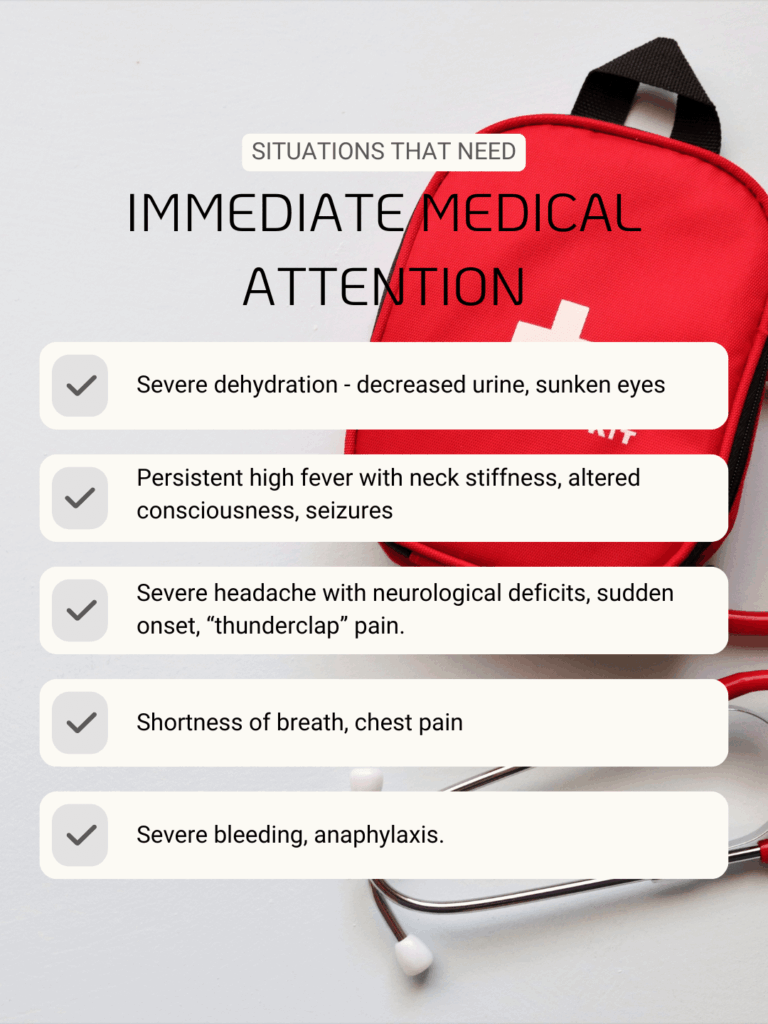
Homoeopathy can be used alongside conventional supportive measures for mild to moderate acute conditions — but always with proper triage and escalation plans.
Takeaway
Homoeopathy is not only for chronic disease. Classical prescribers treat both acute and chronic conditions with appropriate, different approaches. The evidence base for acute homoeopathy is mixed but includes observational studies and some clinical reports that suggest benefit for specific acute presentations.
Most importantly: use common sense — combine safe homoeopathic care with conventional medicine where needed, and never delay emergency treatment.
Have questions about acute homeopathic care? Share your case scenario or doubt in the comments — let’s clear the confusion together.
FAQ
Can homoeopathy treat fever?
Yes, homoeopathy treats fevers with remedies chosen for the fever pattern and overall symptoms, but severe febrile illness requires conventional medical attention.
Is homoeopathy useful for diarrhoea?
Homoeopathic remedies are useful for uncomplicated diarrhoea, however, severe dehydration needs urgent conventional care.
Should I stop my conventional medicine with homoeopathy?
No. For serious conditions, follow conventional medical advice. Homoeopathy can be complementary when used responsibly and under a qualified practitioner’s guidance.

- Is Homoeopathy good for acute illnesses or only chronic ones? - December 16, 2025
- Does Homoeopathy Avoid Surgery? Myths Busted by a Doctor - December 10, 2025
- Are investigations required for homoeopathic treatment? - November 7, 2025