
If you’ve ever visited a homoeopathic doctor with a bundle of investigation reports or told them you’ve been diagnosed with so-and-so disease, but got a reply,
“I don’t need these reports or your diagnosis. I’ll note your symptoms, match them to the suitable homoeopathic remedy, and prescribe it.”
Please leave that clinic immediately.
Even our allopathic friends believe that homoeopathic doctors don’t require diagnosis or medical investigations.
But they are far from the truth. So, let me introduce you to the reality today!
Are Investigations required for Homoeopathic Treatment?
Diagnosis in homoeopathy is essential
Just like any other branch of medicine, the importance of diagnosis in homoeopathy cannot be overstated.
A homoeopathic prescription is never made in isolation from the patient’s disease diagnosis. Understanding what the patient is suffering from gives context to their symptoms and helps rule out serious conditions that might require immediate attention.
For example, a patient coming in with persistent headaches might be suffering from migraine, sinusitis, cervical spondylosis, or even hypertension.
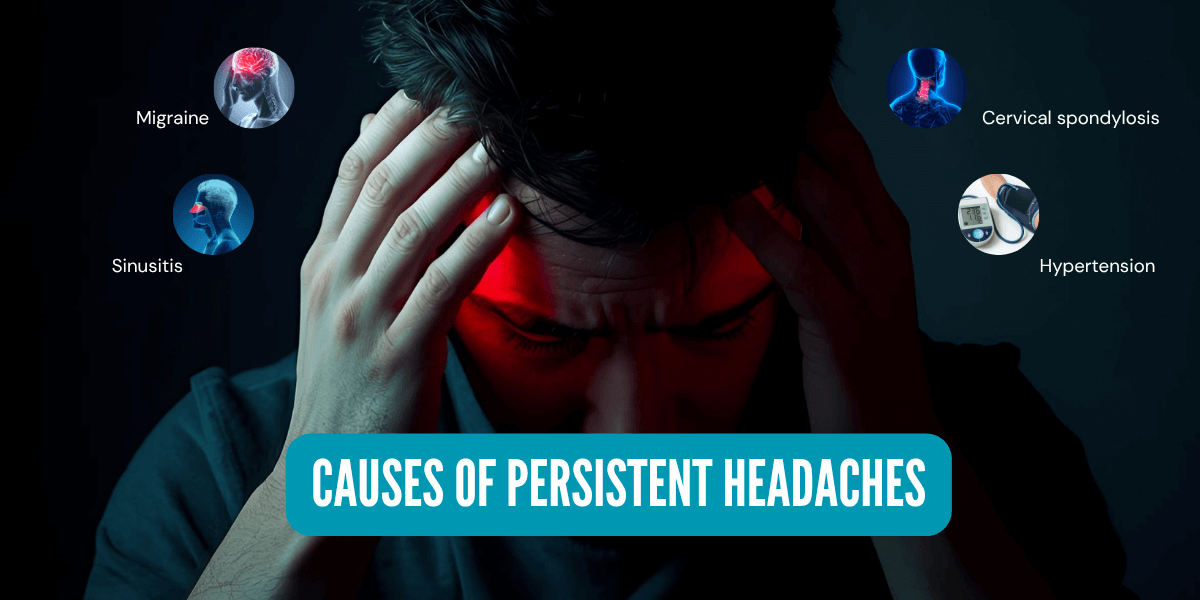
But unless this is confirmed through clinical evaluation and investigations, we won’t be able to treat him responsibly. Also, it becomes difficult to advise on dietary or lifestyle changes based on the disease diagnosis.
Further, diagnosis in homoeopathy goes deeper — it’s not just about naming the disease.
Unlike conventional systems that focus primarily on the disease diagnosis, homoeopathy looks at the patient as a whole. That means we go beyond the pathological label and diagnose the patient’s personality, constitution, and individuality.
We study the physical constitution (such as body type, susceptibility, food preferences, and sleep patterns), the mental makeup (fears, emotions, reactions to stress), and the general state of vitality.
This holistic diagnosis — often referred to as the totality of symptoms — guides us toward a medicine that resonates with the patient’s unique energy pattern.
So, in homoeopathy, there are two layers of diagnosis:
- Disease diagnosis – What the patient is suffering from.
- Individual diagnosis – Who the patient is as a person.
Only when these two dimensions are understood together can a prescription truly heal at a deep level.
Diagnosis in homoeopathy helps us differentiate what is curable through homoeopathic means and what might need emergency or surgical intervention.
So, are investigations required for homoeopathic treatment?
Absolutely!
We often recommend blood tests, imaging (X-rays, ultrasounds, or MRIs) and other diagnostic tools to assess disease stage, severity, or underlying pathology, and thus, ensure safe, evidence-based treatment.
This is also crucial in monitoring the patient, whether his pathological changes are returning to normal.
For example:
- In cases of thyroid disorders, we monitor TSH, T3, and T4 levels.
- In arthritis, we might advise RA factor or uric acid tests.
- In chronic skin conditions, allergy panels or hormonal assessments might be suggested.
Homoeopathy doesn’t replace modern diagnostic science — it complements it.
What to conclude?
- Homoeopathy is a complete medical system grounded in scientific principles.
- Diagnosis and investigations are as important in homoeopathy as in allopathy.
- Responsible homoeopaths use diagnostic tools to understand disease pathology, monitor progress, and ensure safe treatment.
- Beyond the disease, homoeopathy also diagnoses the person behind the disease — the physical, emotional, and mental blueprint that defines an individual’s healing pattern.
So, homoeopathy is not “symptom matching.” It combines modern medical reasoning with a profound understanding of the human constitution.
Hope this busts your myth about the diagnosis and investigations in homoeopathy.
Meet you with another insightful post in this series next week. Ta Da!

- Is Homoeopathy good for acute illnesses or only chronic ones? - December 16, 2025
- Does Homoeopathy Avoid Surgery? Myths Busted by a Doctor - December 10, 2025
- Are investigations required for homoeopathic treatment? - November 7, 2025